

Best Japanese Sake of 2026: Top 10 Ranked by Professional Tasters (First Half)

この記事の要点
Discover the 10 best Japanese sake of early 2026, ranked by professional tasters. Explore expert scores, tasting notes, serving tips, and food pairings.
The Best Japanese Sake of the First Half of 2026
Which Japanese sake earned the highest ratings from Japan Cellar's professional tasters in the first half of 2026?
At Japan Cellar, beverage professionals, including a leading sommelier, evaluate sake using JC BLICU, our proprietary five-dimensional framework: Balance, Length, Intensity, Complexity, and Uniqueness. These assessments form the basis of the Japan Cellar Point, our 100-point scoring system.
For this ranking, we selected the 10 highest-rated sake from those reviewed during the first six months of 2026.
The results were exceptional. Even the sake tied for ninth place scored 93.5 points, while all three top-ranked bottles exceeded 96 points.
The selection spans remarkably different styles, from clean, crisp dry sake and aromatic Junmai Ginjo to sophisticated Junmai Daiginjo, richly layered Kijoshu, and full-bodied Junmai Genshu.
These rankings are based on professional tasting evaluations, not brand popularity, reputation, or sales figures.
Here are the 10 best-rated sake of the first half of 2026, with detailed tasting notes, evaluation highlights, serving recommendations, and food pairings.
Tied 9th – Gorin Junmai | 93.5 Points
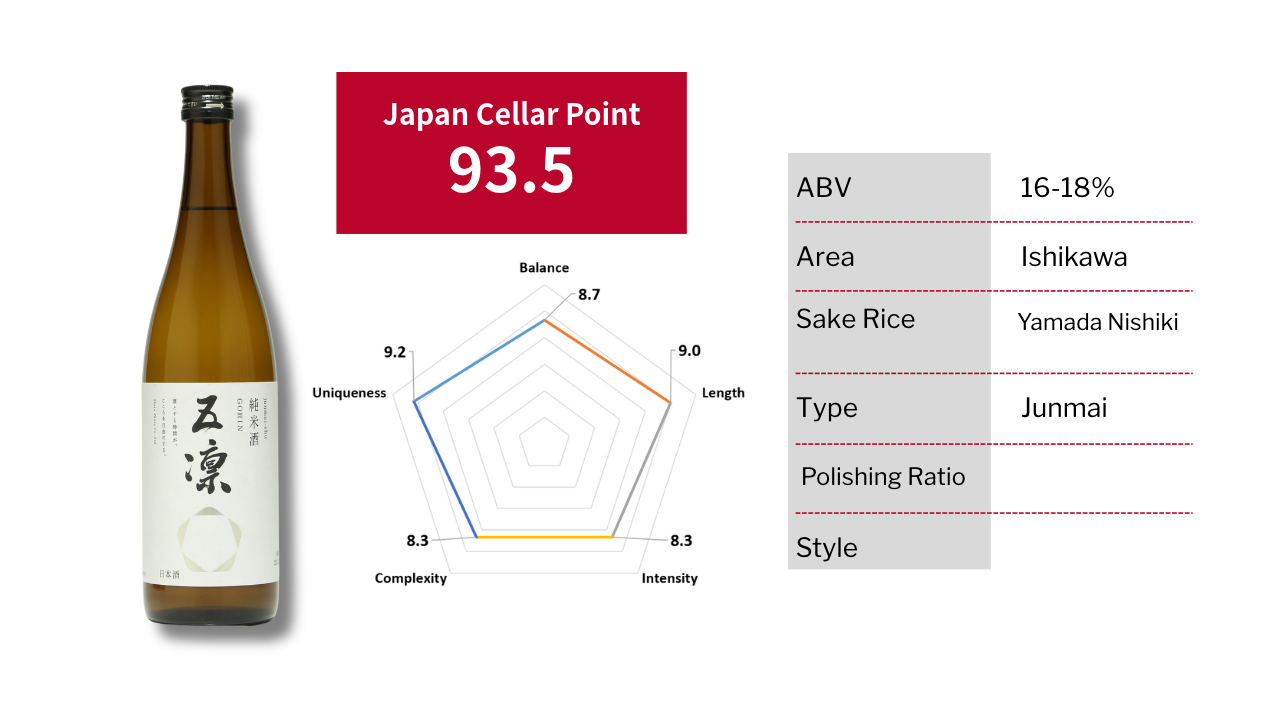
Understated elegance and exceptional craftsmanship that reveal themselves with every sip.
Tied for ninth place is Gorin Junmai, produced by Shata Shuzo in Ishikawa Prefecture, with 93.5 Japan Cellar Points. The brewery is also known for its celebrated Tengumai label. This Junmai sake is made using Yamada Nishiki rice.
With its slightly sweet character, rounded texture, and generous mouthfeel, Gorin Junmai is particularly enjoyable when served chilled.
In the JC BLICU evaluation, it earned outstanding scores of 9.2 for Uniqueness and 9.0 for Length.
Rather than relying on an immediately striking characteristic, this sake gradually reveals its refinement and remarkable overall quality as you continue drinking.
Its versatility makes it an excellent companion to food. Recommended pairings include potato salad, strawberry daifuku, escabeche, and pan-seared scallops with beurre blanc.
From appetizers and seafood main courses to dessert, Gorin Junmai offers an impressively broad range of pairing possibilities.
Tasting Notes
Toasty, gently sweet aromas reminiscent of white sesame and apricot kernels.
The palate is smooth, with generous rice-derived umami harmonizing beautifully with gentle acidity. The finish retains a subtle toasted character and deliberately restrained sweetness. From chilled to room temperature, the remaining sweetness reveals different expressions as the serving temperature changes.
Reviewer: Yoshinobu Kimura

Tied 9th – Gokyo Five Junmai Dry RED | 93.5 Points
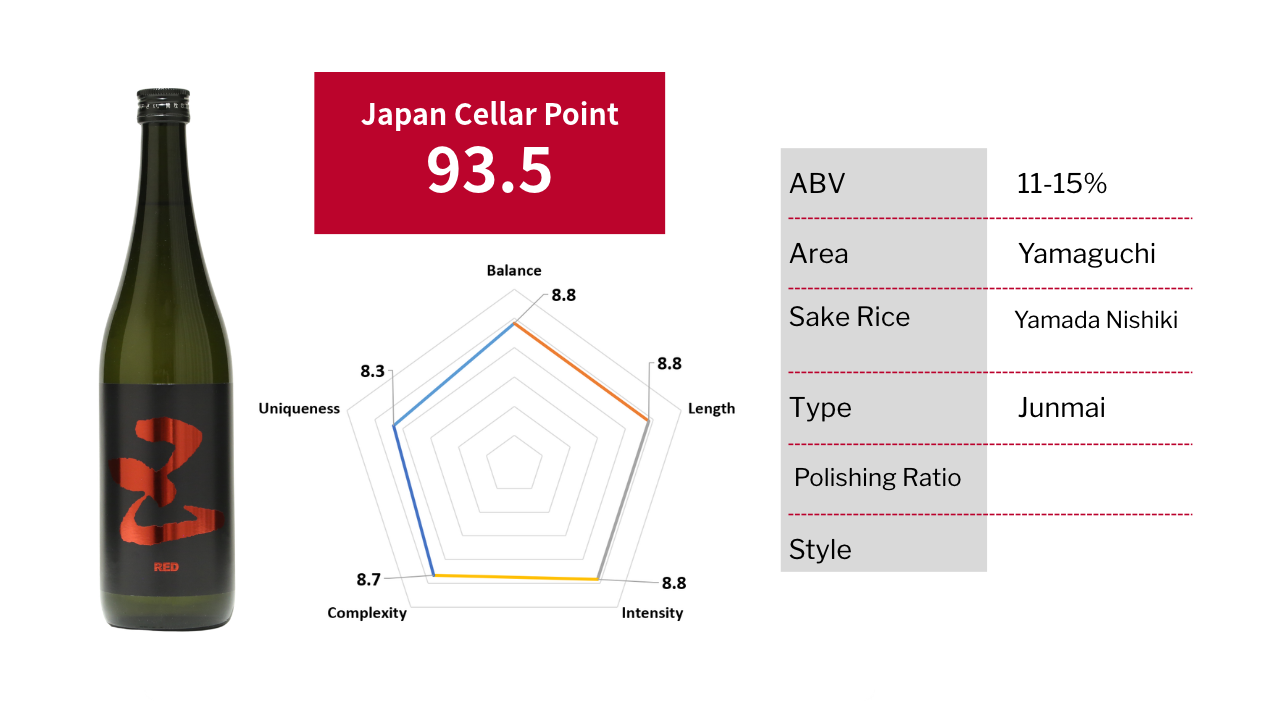
Clean, crisp, and beautifully balanced. A versatile dry sake for the dining table.
Also tied for ninth place is Gokyo Five Junmai Dry RED, produced by Sakai Shuzo in Yamaguchi Prefecture, with 93.5 Japan Cellar Points.
Made with Yamada Nishiki rice, this lower-alcohol Junmai sake offers an approachable drinking experience. Its clean, light-bodied, dry style is best enjoyed well chilled.
In the JC BLICU evaluation, it scored 8.8 each for Balance, Length, and Intensity, and 8.7 for Complexity.
Rather than excelling in only one dimension, its consistently strong performance across multiple categories demonstrates impressive overall quality.
Recommended food pairings include thinly sliced fugu sashimi, white eggplant cutlets, sautéed duck breast with orange sauce, and piperade.
Its versatility extends from delicate seafood and vegetable dishes to richer meat preparations, making it an excellent sake for food pairing.
Tasting Notes
Citrus aromas reminiscent of orange and Japanese summer orange.
Despite its lively acidity and crisp, dry character, the palate is never harsh. The balance between acidity and umami is exceptional. Refreshing yet satisfying, it delivers a pleasant, lingering finish.
Reviewer: Yoshinobu Kimura

8th – Zaku Megumi no Tomo | 93.7 Points
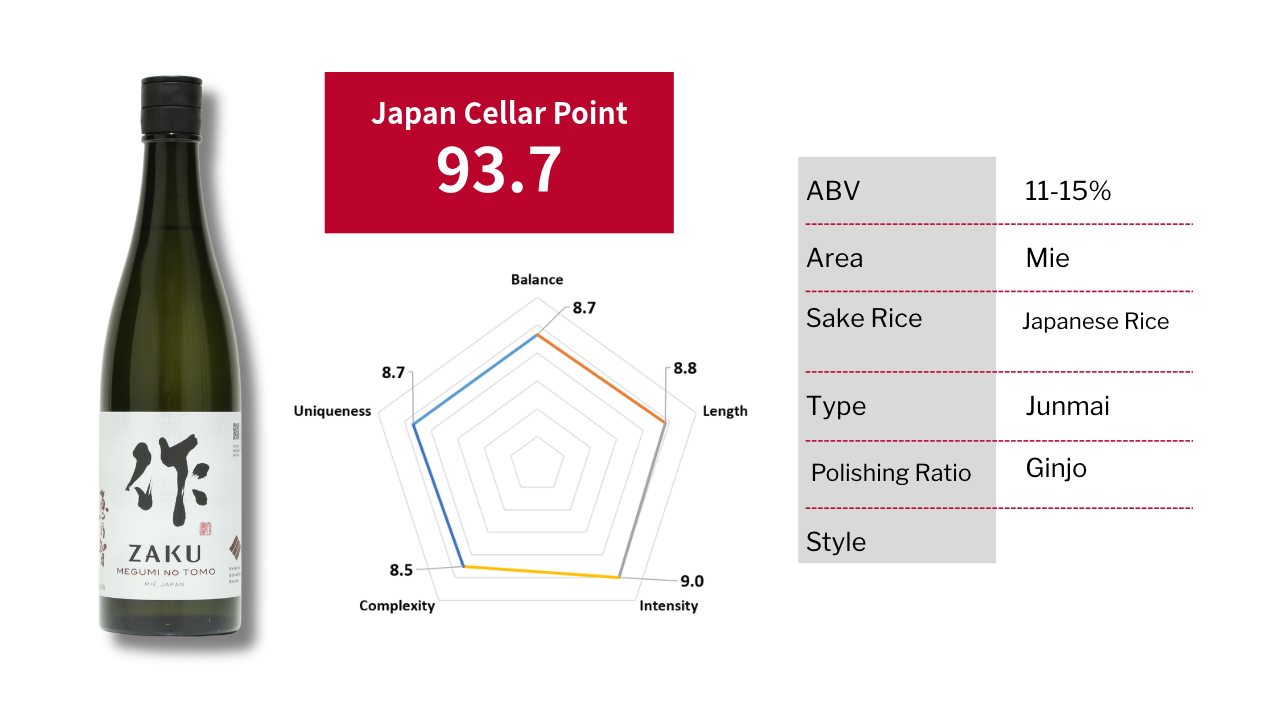
Expressive aromatics and outstanding refinement from the acclaimed Zaku series.
In eighth place is Zaku Megumi no Tomo, produced by Shimizu Seizaburo Shoten in Mie Prefecture, with 93.7 Japan Cellar Points.
Part of the popular Zaku sake series, this Junmai Ginjo impressed our reviewers with its exceptional quality.
Crafted in an approachable, lower-alcohol style, it offers well-balanced sweetness and an expressive, fruit-forward aromatic profile. Serving it chilled brings out its vibrant character.
In the JC BLICU evaluation, it achieved 9.0 for Intensity, with every other category scoring at least 8.5.
This consistently high performance reflects its outstanding overall refinement, with its particularly attractive aromatic expression standing out.
Recommended pairings include butter-steamed scallops, grilled beef tongue with salted lemon, salmon meunière, and chicken liver rillettes.
Dishes featuring butter or citrus provide especially appealing combinations.
Tasting Notes
An immediately expressive and aromatic first impression. Notes of yellow apple, Le Lectier pear, grapefruit peel, dried citrus peel, a subtle limestone nuance, and freshly pounded rice.
The palate is light and lively. Pure fruit flavors and pleasant, floral nectar-like sweetness are accompanied by ripe melon notes. A delicate bitterness gradually emerges, enhancing the finish.
Reviewer: Maika Yamamoto

7th – Kubota Manju Junmai Daiginjo | 94.2 Points
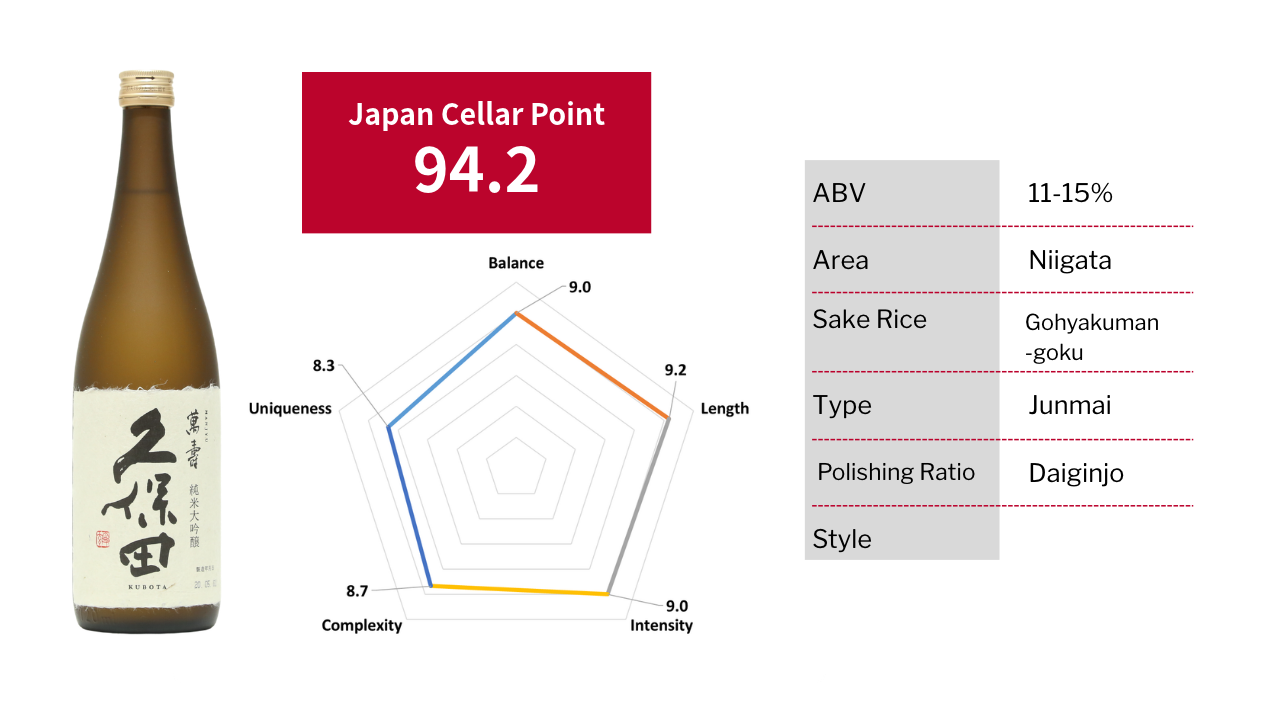
A benchmark expression of Niigata's refined, clean, and dry sake style.
Seventh place goes to Kubota Manju Junmai Daiginjo, produced by Asahi Shuzo in Niigata Prefecture, with 94.2 Japan Cellar Points.
This sake represents a highly refined expression of the classic tanrei karakuchi style, known for its light, clean, and dry character.
Made using Gohyakumangoku, a prominent sake rice variety associated with Niigata, this Junmai Daiginjo has an alcohol content of no more than 15%.
Its delicate, restrained profile makes it particularly enjoyable when served chilled.
In the JC BLICU evaluation, it achieved 9.2 for Length, 9.0 for Intensity, and 9.0 for Balance.
These exceptional scores reflect a sake of remarkable harmony and refinement, with beautifully integrated layers of aroma.
Recommended food pairings include kombu-cured halfbeak with Japanese pepper leaf, simmered white fish and spring greens, white asparagus with hollandaise sauce, and parchment-baked sea bream with spring vegetables.
Its delicate character is especially well suited to white fish and carefully prepared vegetable dishes.
Tasting Notes
A restrained, delicate aromatic profile centered on freshly cut muskmelon flesh, complemented by touches of fennel and finely milled rice flour.
The palate is supple and streamlined, displaying a characteristic expression of the rice variety. A delicate grip and gentle roundness through the mid-palate create beautiful harmony. The fresh mouthfeel transitions seamlessly into a fading finish that embodies Niigata's signature clean, dry style.
Reviewer: Atsuhide Hoshiyama

Tied 5th – Kamikawa Taisetsu Tokachi Junmai Ginjo | 94.3 Points
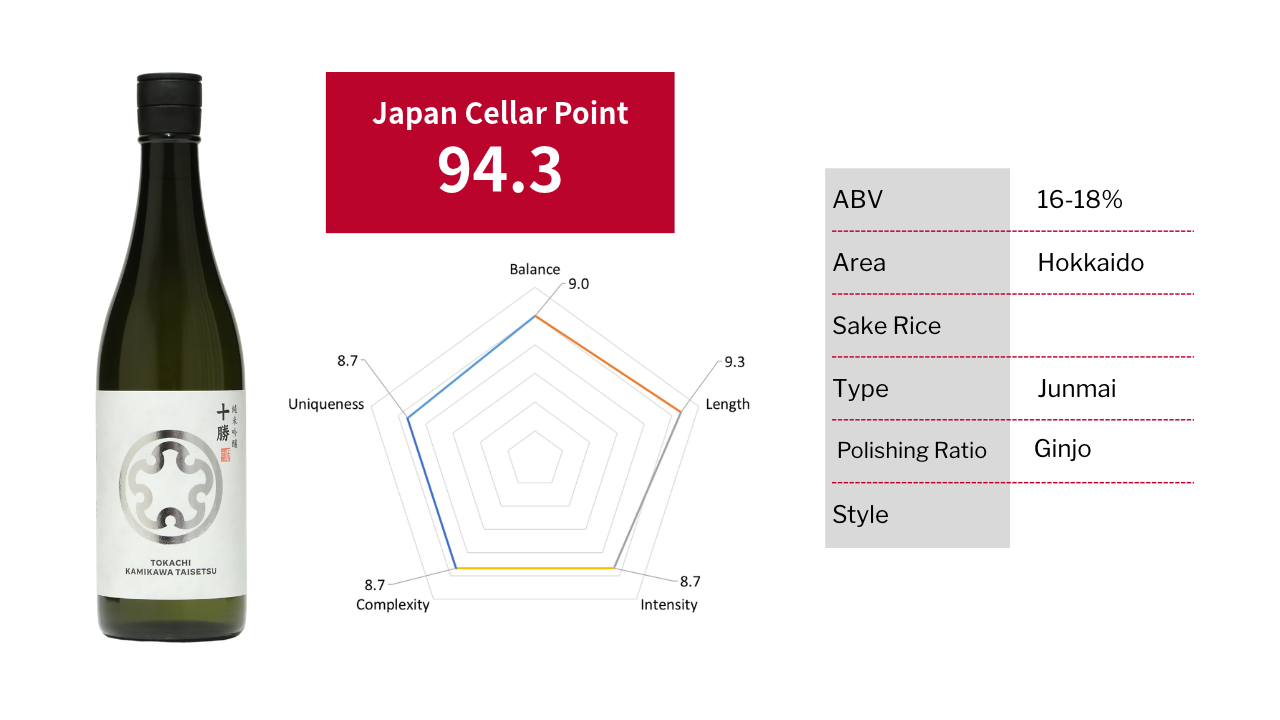
Concentrated flavors, layered aromatics, and impressive overall quality.
Tied for fifth place is Kamikawa Taisetsu Tokachi Junmai Ginjo, produced by Kamikawa Taisetsu Sake Brewery in Hokkaido, with 94.3 Japan Cellar Points.
This Hokkaido-made Junmai Ginjo has an alcohol content of 16–18%.
A dry sake with expressive aromatics and generous umami, it is particularly recommended at room temperature.
In the JC BLICU evaluation, it earned 9.3 for Length and 9.0 for Balance, demonstrating excellent persistence and harmony.
Its versatility extends well beyond traditional Japanese cuisine.
Recommended pairings include goya champuru (Okinawan bitter melon stir-fry), Korean chive pancakes, octopus frittata, and bobotie, a South African spiced meat dish.
From Japanese and European cuisine to Korean and other international flavors, this sake offers an exciting range of pairing possibilities.
Tasting Notes
A clear, silvery appearance. Highly expressive aromas of honeydew melon, osmanthus flowers, and shiratama rice dumplings create a pure, floral impression.
The palate is generous and substantial, with a pronounced sense of volume. Soft sweetness is joined by bitterness and umami from the mid-palate onward, adding depth and leading to an expansive, lingering finish.
Reviewer: Maika Yamamoto

Tied 5th – Yamashiroya Rusui | 94.3 Points
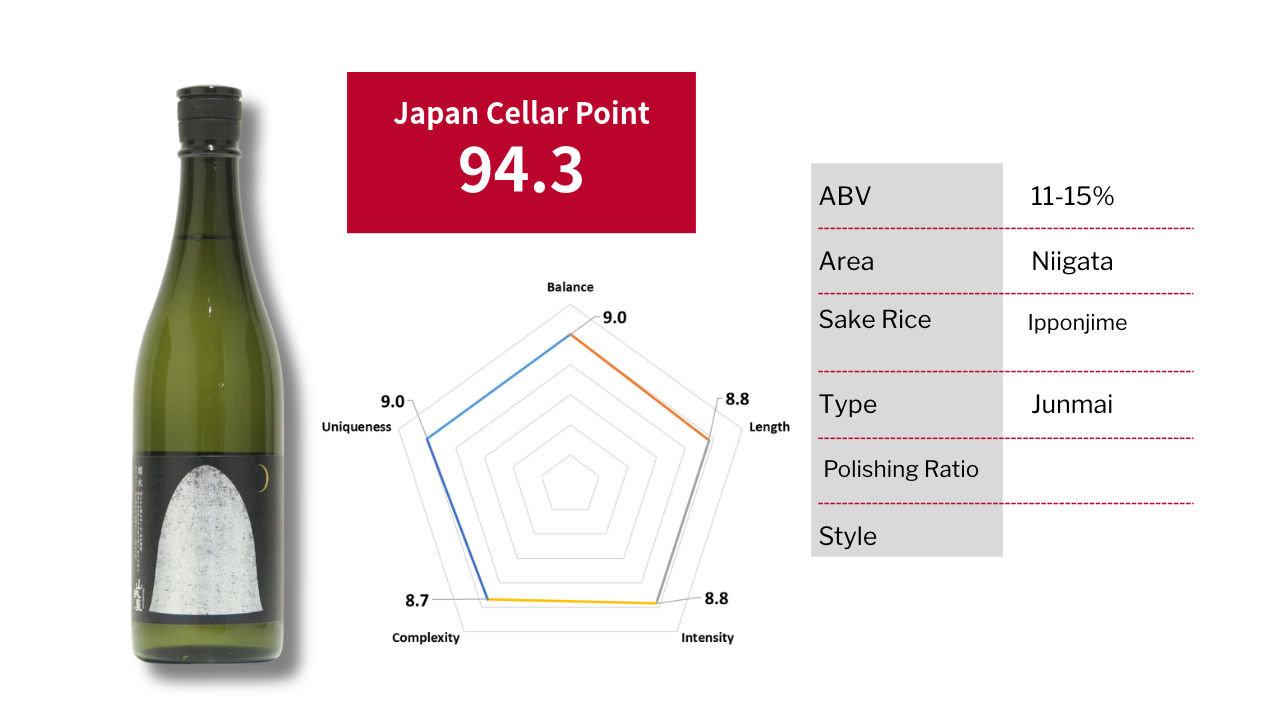
An elegant, beautifully composed dry sake with exceptional refinement.
Also tied for fifth place is Yamashiroya Rusui, produced by Koshimeijo in Niigata Prefecture, with 94.3 Japan Cellar Points.
This sake is made using Ipponjime, a relatively rare sake rice variety, and has an alcohol content of no more than 15%, offering an approachable drinking experience.
In the JC BLICU evaluation, it earned 9.0 each for Balance and Uniqueness, with every category scoring at least 8.5.
These consistently high scores highlight the remarkable overall refinement of this dry sake.
Recommended pairings include nodoguro (blackthroat seaperch) nigiri sushi, gently simmered kinmedai (splendid alfonsino), lobster ravioli, and sweet shrimp tartare.
Its layered flavor profile makes it particularly well suited to seafood dishes with pronounced umami.
Tasting Notes
A delicate yet deeply layered aromatic first impression. Ripe apple and pear are joined by floral notes reminiscent of honeysuckle, along with fresh almond and a slightly creamy nuance. The aromatic profile is rich in detail.
The palate is equally complex and deep, with multiple layers of flavor unfolding gradually. A concentrated mid-palate leads into a long, persistent finish.
Reviewer: Wataru Iwata

4th – Oroku Kei Junmai 55% Namazume | 94.7 Points
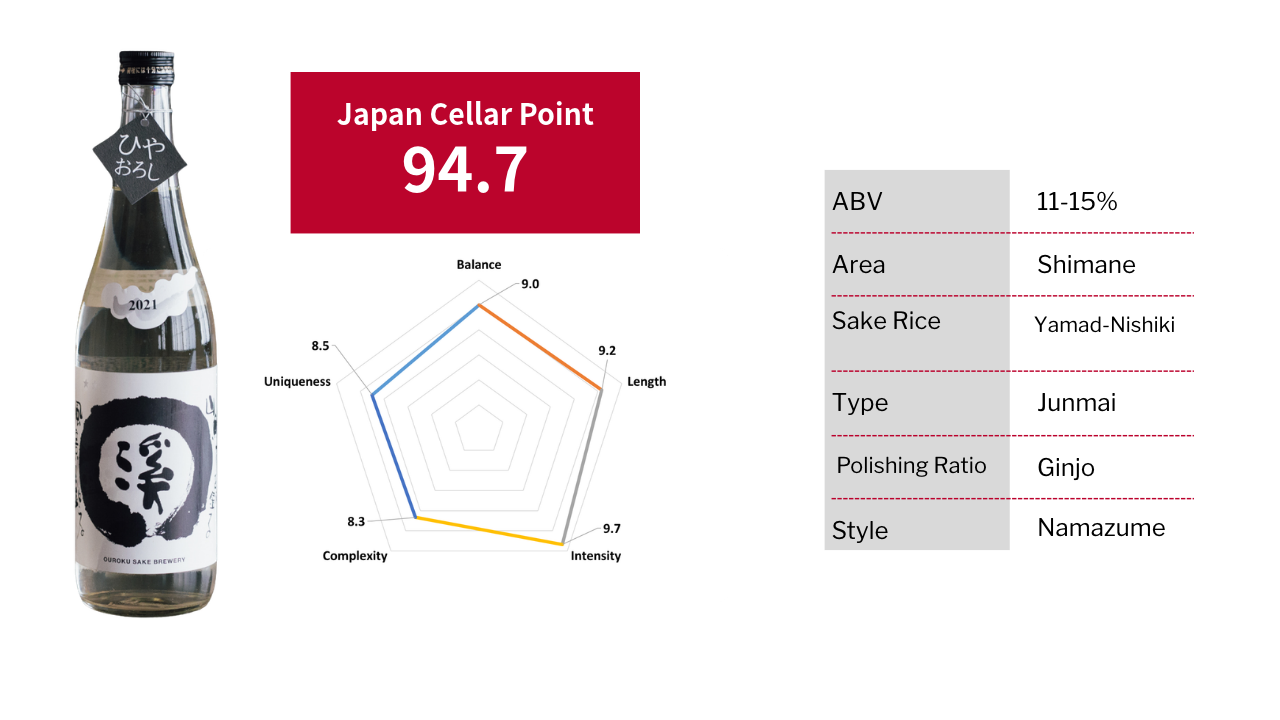
Refreshing yet structured. A powerful dry sake with remarkable intensity.
Fourth place goes to Oroku Kei Junmai 55% Namazume, produced by Oroku Shuzo in Shimane Prefecture, with 94.7 Japan Cellar Points.
Made from Yamada Nishiki rice, this Junmai Ginjo offers the freshness characteristic of namazume, a sake that is pasteurized before storage but not again before bottling.
Its lower-alcohol, clean, dry style is particularly enjoyable when served well chilled.
In the JC BLICU evaluation, it achieved an exceptional 9.7 for Intensity, alongside 9.2 for Length and 9.0 for Balance.
Despite its refreshing character, the sake possesses impressive structure and power, creating a distinctive combination of freshness and depth.
Recommended food pairings include blanched butterbur shoots, salt-grilled Pacific saury, prosciutto with melon, and popcorn shrimp.
Its versatility makes it a compelling match for fruit-based appetizers, pleasantly bitter vegetables, and a wide variety of seafood dishes.
Tasting Notes
A poised aromatic profile reminiscent of green melon and white flowers.
On the palate, transparent umami unfolds gently, while firm acidity provides structure. The freshness and tension characteristic of namazume are clearly expressed, leading to a dry, precise finish.
Reviewer: Kota Narusawa

3rd – Masuizumi Kijoshu Oak Barrel Aged | 96.0 Points
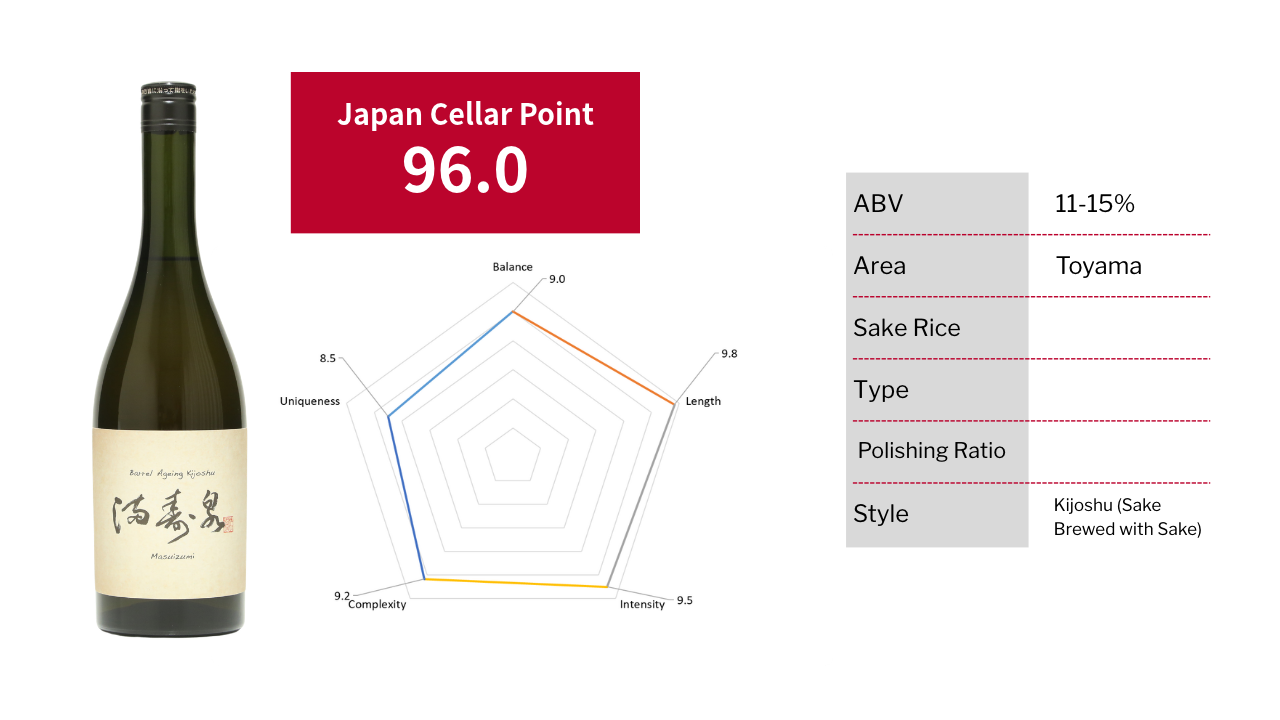
Extraordinary complexity and an exceptionally long finish from an oak-aged Kijoshu.
Third place goes to Masuizumi Kijoshu Oak Barrel Aged, produced by Masuda Shuzo in Toyama Prefecture, with an outstanding 96.0 Japan Cellar Points.
This remarkable Kijoshu was the first sake reviewed by Japan Cellar to surpass 95 points.
Kijoshu is a distinctive sake style in which sake itself is used in place of some of the brewing water, creating a richer and often sweeter flavor profile.
With an alcohol content of no more than 15%, this gently sweet sake is particularly enjoyable when served chilled, allowing its rounded texture and remarkable complexity to emerge.
In the JC BLICU evaluation, it achieved an extraordinary 9.8 for Length, with exceptionally strong results for Intensity and Complexity as well.
Its scale, concentration, and remarkable persistence make it one of the most distinctive sake in this ranking.
Recommended pairings include simmered conger eel, eggplant with sweet miso glaze, roasted duck breast with a light dried fig and orange reduction, and blue cheese with dried fruit.
Dishes incorporating sweetness, fruit, or rich umami create especially compelling combinations.
Tasting Notes
A golden appearance. The nose reveals multiple layers of complex aromas, including orange marmalade, dried figs, dried shiitake mushrooms, soy sauce, star anise, steamed rice reminiscent of chimaki, hazelnuts, and cumin seeds.
Well-integrated acidity supports the complex, spicy sweetness, creating remarkable harmony. Each flavor component merges seamlessly into a focused, exceptionally long finish. High concentration, complexity, and a smooth texture demonstrate the sake's outstanding quality.
Reviewer: Atsuhide Hoshiyama

2nd – Kamoshibito Kuheiji Junmai Daiginjo Born in Kurodasho | 96.2 Points
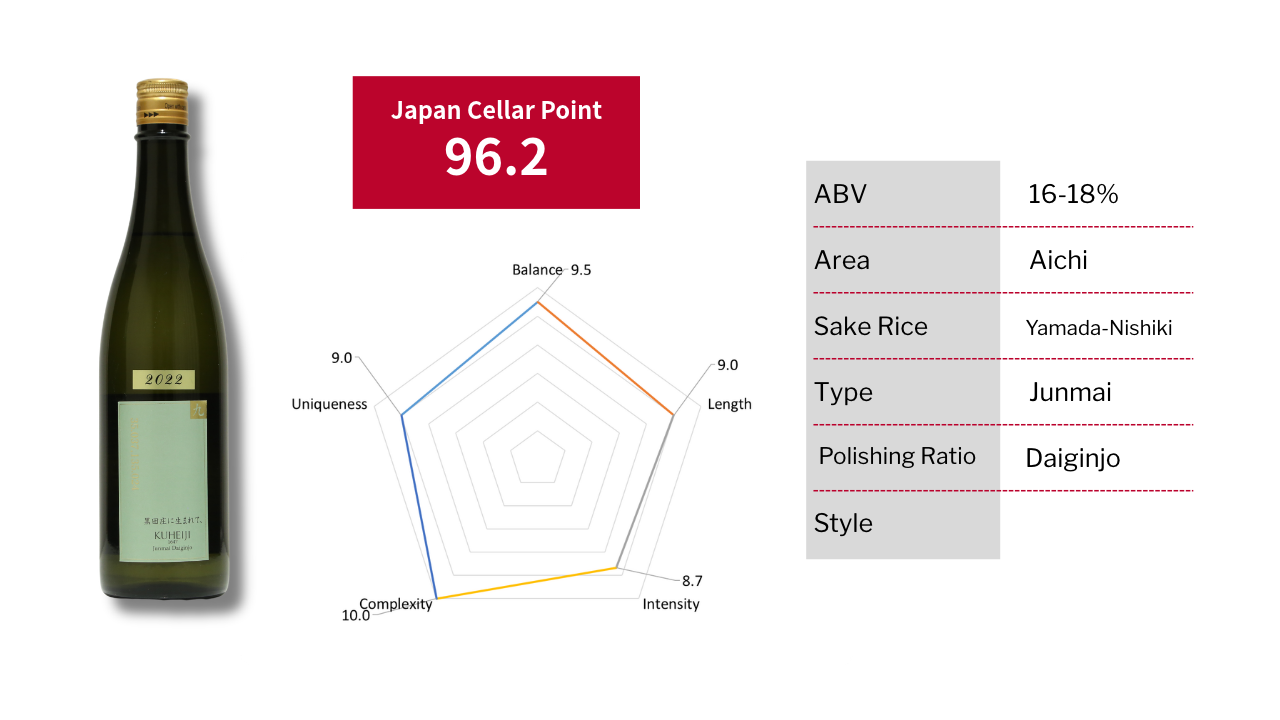
A masterpiece of elegant dry sake, combining extraordinary complexity with purity and precision.
Second place goes to Kamoshibito Kuheiji Junmai Daiginjo Born in Kurodasho, produced by Banjo Jozo in Aichi Prefecture, with an exceptional 96.2 Japan Cellar Points.
This elegant dry sake narrowly missed the top position.
Made using Yamada Nishiki rice, with an alcohol content of 16–18%, it represents a remarkably refined expression of Junmai Daiginjo.
Its style combines delicacy, purity, and expressive aromatics. The palate is fresh and beautifully defined, offering an impression of transparency alongside elegance and lightness.
In the JC BLICU evaluation, it achieved a perfect 10.0 for Complexity and an outstanding 9.5 for Balance.
These remarkable scores reflect extraordinary craftsmanship, with multiple layers of flavor integrated into a precise and harmonious structure.
Recommended pairings include maitake mushroom tempura with matcha salt, thinly sliced kombu-cured flounder, white fish carpaccio, and butter-seared scallops.
Its delicate, transparent character makes it especially appealing alongside refined seafood preparations.
Tasting Notes
A pale, crystal-clear appearance of remarkable transparency. Pure fruit aromas of white peach, pear, and apple are layered with delicate floral notes of violet and white flowers, conveying a sense of purity reminiscent of the Kurodasho terroir.
The palate is exceptionally smooth, with refined sweetness and umami characteristic of Junmai Daiginjo unfolding gently. Taut acidity provides beautiful support and structure. Subtle minerality and the core character of the rice emerge through the mid-palate, adding depth. The long finish retains its elegance and transparency, fading with remarkable refinement.
Reviewer: Kota Narusawa

1st – Niida Shizenshu Junmai Genshu | 96.7 Points
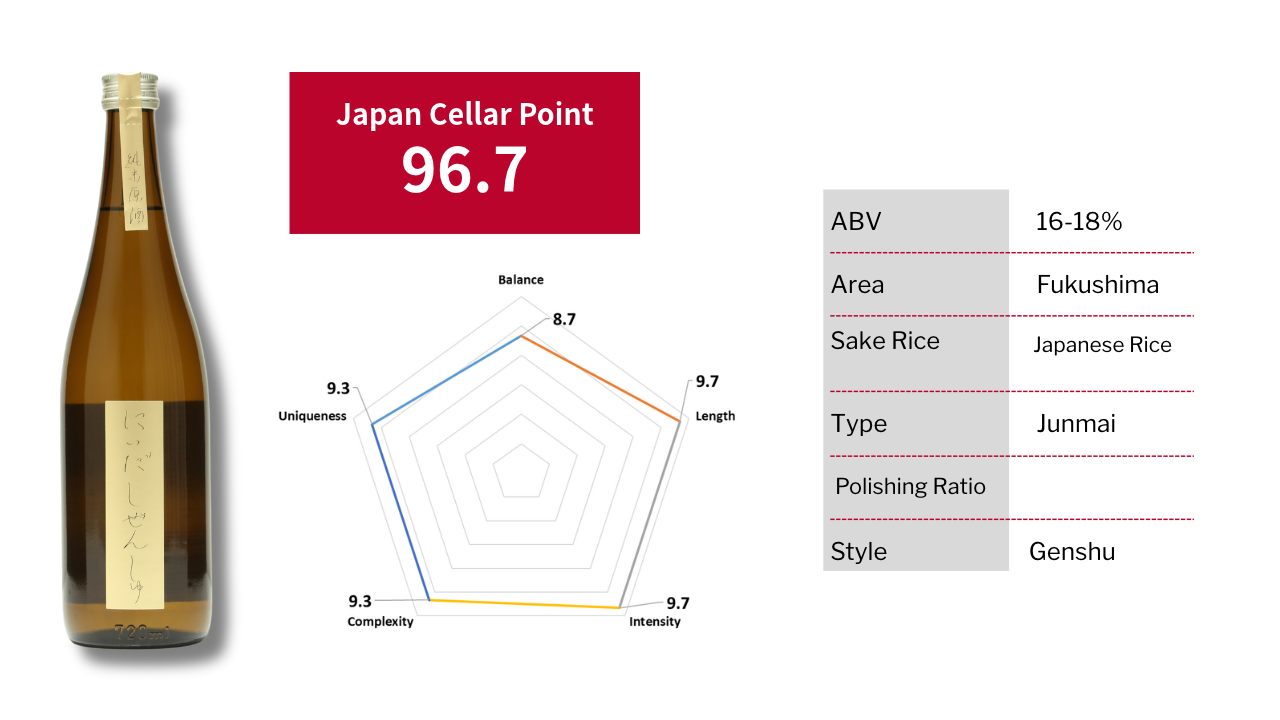
The highest-scoring sake in Japan Cellar history. An extraordinary Junmai Genshu of remarkable depth and harmony.
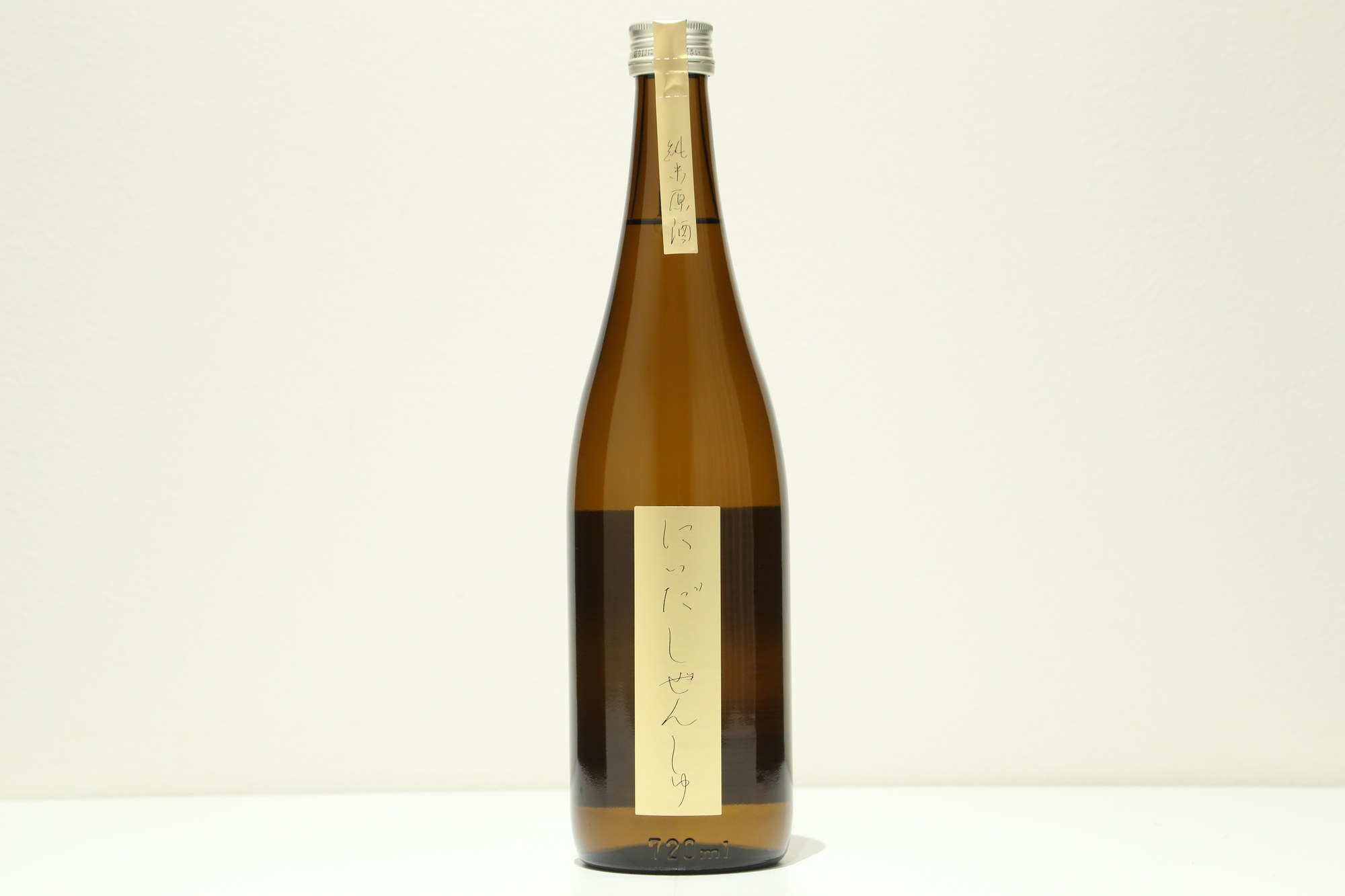
The best-rated Japanese sake of the first half of 2026 is Niida Shizenshu Junmai Genshu, produced by Niida Honke in Fukushima Prefecture.
With an exceptional 96.7 Japan Cellar Points, it achieved the highest score in Japan Cellar's review history to date.
As a Junmai Genshu, this sake is made without added distilled alcohol and is not diluted with water after brewing. Its alcohol content of at least 16% contributes to a substantial, satisfying drinking experience.
Its slightly sweet style offers generous rice-derived umami, a rounded texture, and impressive richness.
Unlike many premium sake that are best served chilled, Niida Shizenshu Junmai Genshu is particularly recommended gently warmed (nurukan), allowing its mellow, full-bodied character to shine.
In the JC BLICU evaluation, it earned extraordinary scores of 9.7 for both Length and Intensity.
Executive Reviewer Taku Iguro awarded it an exceptional individual score of 99 points, reflecting an almost perfect evaluation.
These remarkable results demonstrate the extraordinary quality of a sake that stands at the very top of Japan Cellar's first-half 2026 ranking.
Recommended food pairings include seasoned rice with wild mountain vegetables, miso-marinated grilled butterfish, crab cream croquettes, and pork shoulder with honey mustard.
Its richness and depth make it particularly appealing alongside dishes with generous umami and satisfying flavors.
Tasting Notes
The nose reveals Asian-inspired nuances reminiscent of coconut. The initial impression is soft, while layers of licorice and white pepper add spice and aromatic depth.
These complex elements are enveloped by substantial lactic-derived acidity, bringing suppleness and harmony to the overall palate.
Reviewer: Yoshinobu Kimura
What the Best Japanese Sake of 2026 Reveal
The first-half 2026 Japan Cellar ranking reached an exceptionally high standard, with even the sake tied for ninth place scoring 93.5 points and all three leading selections exceeding 96 points.
The highest-rated sake, Niida Shizenshu Junmai Genshu, achieved a record 96.7 points, demonstrating remarkable richness, intensity, and harmony.
Second place went to Kamoshibito Kuheiji Junmai Daiginjo Born in Kurodasho, distinguished by its extraordinary complexity, delicacy, and purity.
Third place was awarded to Masuizumi Kijoshu Oak Barrel Aged, whose layered sweetness, concentration, and exceptionally long finish impressed our professional tasters.
What makes this ranking particularly interesting is the diversity of styles represented.
Clean, dry sake, aromatic Junmai Ginjo, elegant Junmai Daiginjo, richly sweet Kijoshu, and full-bodied Junmai Genshu all achieved outstanding results.
There is no single flavor profile that defines great sake.
Instead, these selections demonstrate that exceptional quality can be achieved across very different styles when balance, structure, complexity, and individual character are brought together successfully.
Whether you prefer crisp and refreshing sake, elegant aromatic expressions, or richer styles with pronounced umami, this ranking offers a starting point for discovering your next favorite bottle.
Consider not only the flavor profile, but also serving temperature and food pairing to experience each sake at its best.
At Japan Cellar, our professional tasters will continue evaluating Japanese sake through JC BLICU, sharing detailed assessments of the quality, character, and individuality of each bottle.
Explore more professional sake reviews and rankings at Japan Cellar.