


Aya Mizukami
Wine writer WSET Diploma Official columnist for Forbes JAPAN
Profile
Driven by her deep passion for wine, Aya Mizukami transitioned from the telecommunications industry to the wine industry. She contributes articles to media outlets and specialized publications, including Forbes JAPAN, where she is an official columnist. As a writer for Nihon Wine Kikou (Japan Wine Chronicles), she travels across Japan to interview and report on wineries. Aya holds the J.S.A. Wine Expert certification and the prestigious WSET Diploma, an internationally recognized wine qualification. A lover of Japanese culture, she is also actively engaged in traditional Japanese arts and practices. https://forbesjapan.com/author/detail/2770
Reviews
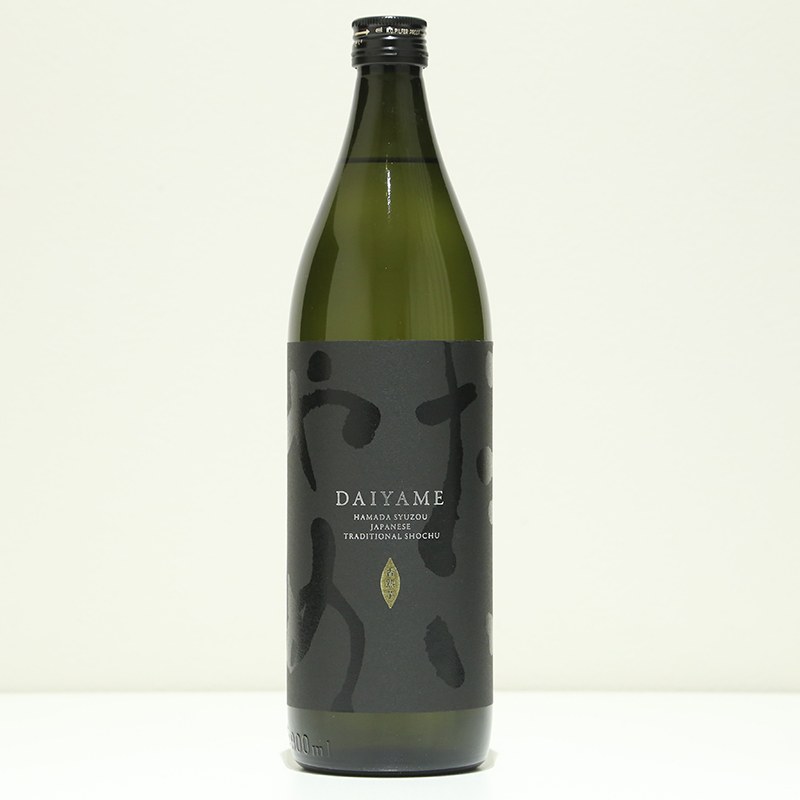
With time, refreshing nuances of green melon rind and fresh herbs emerge. In contrast to its highly aromatic nose, the palate is surprisingly gentle and fresh. Delicate flavors unfold quietly, like ripples spreading across water after a pebble is dropped. The finish is relatively long, with the characteristic alcoholic warmth of shochu accompanied by spicy and herbal nuances. Its layered progression from expressive fruit aromas to a refreshing finish is particularly appealing. A style that departs from conventional sweet potato shochu, making it an attractive choice for newcomers to shochu as well as lovers of wine and sake.
投稿日: 2026年11月28日
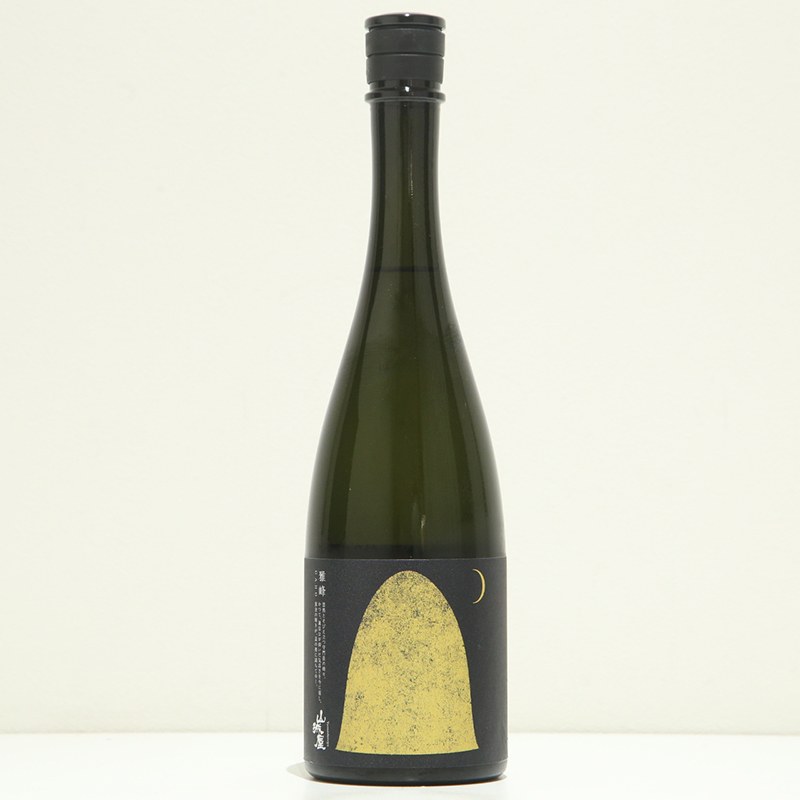
The aromatic intensity is moderate and well judged. On the palate, moderate sweetness is accompanied by a juicy burst of acidity, bringing vitality to the profile. Medium-bodied, with a subtle tingling sensation. Acidity tightens the palate toward the finish, bringing it to a clean, decisive close.
投稿日: 2026年11月28日
The palate is soft, with moderate sweetness and gentle acidity in harmony. An airy mouthfeel leads into a pleasant, lingering finish that flows like gently rolling waves. Its Riesling-like fruit character is particularly appealing, making it an excellent choice for wine lovers.
投稿日: 2026年11月28日
Gentle sweetness unfolds on the palate, while moderate acidity integrates naturally, maintaining an excellent balance. Despite being crafted using the kimoto method, the body is relatively light, with a pleasant, lingering finish. The contrast between the sweet aromatics and the harmonious palate is particularly appealing.
投稿日: 2026年11月28日
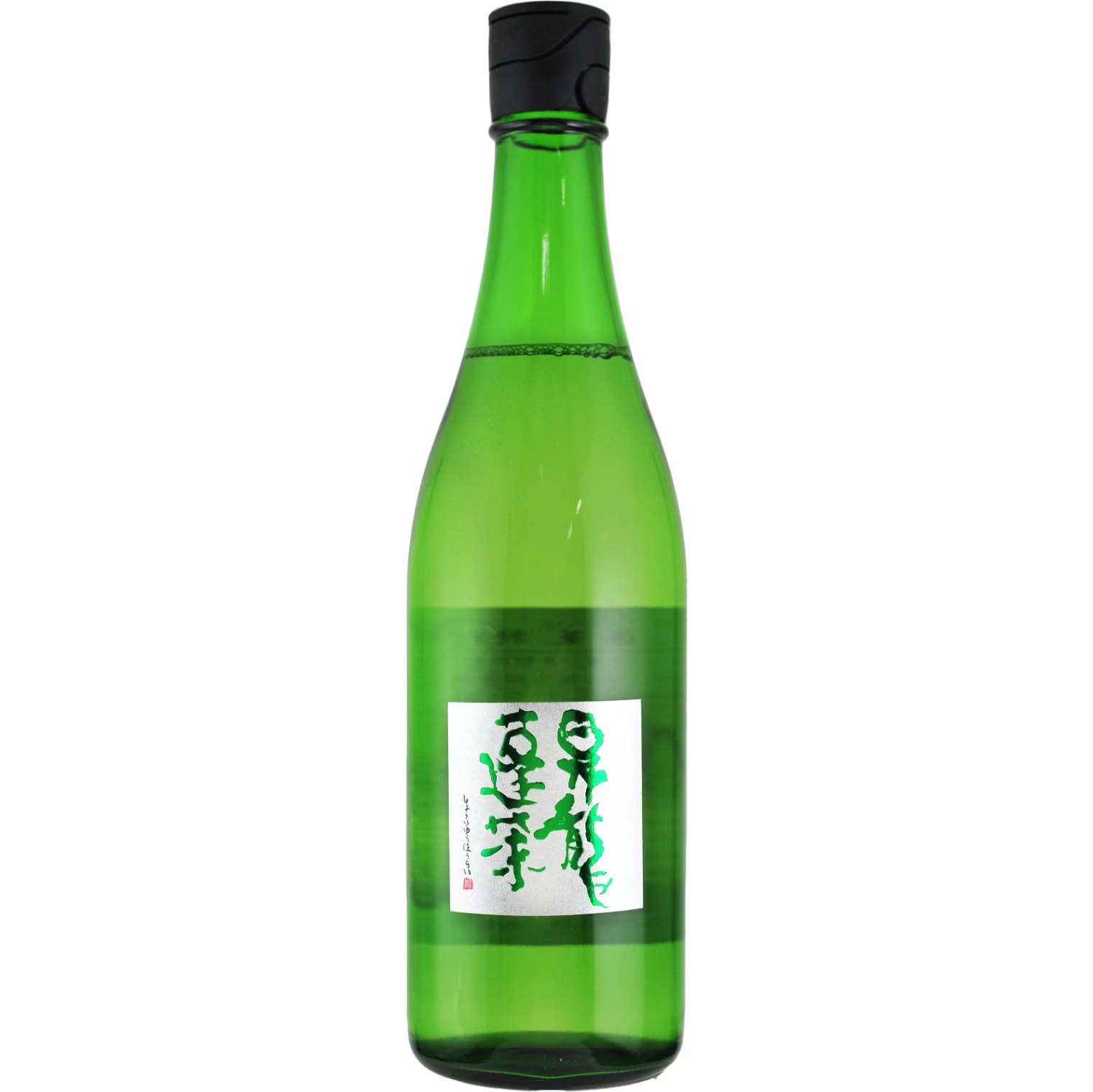
Layers of maturation-derived aromas reminiscent of charred barley, roasted almond, butter, and popcorn create a rich, toasty bouquet. Remarkably clean, with no stale or tired character. Moderate acidity, rice-derived umami, and subtle spice come together harmoniously on the palate. As the temperature rises, the palate gains weight and its complex flavors become more expressive. A sake worth exploring at different serving temperatures.
投稿日: 2026年11月28日
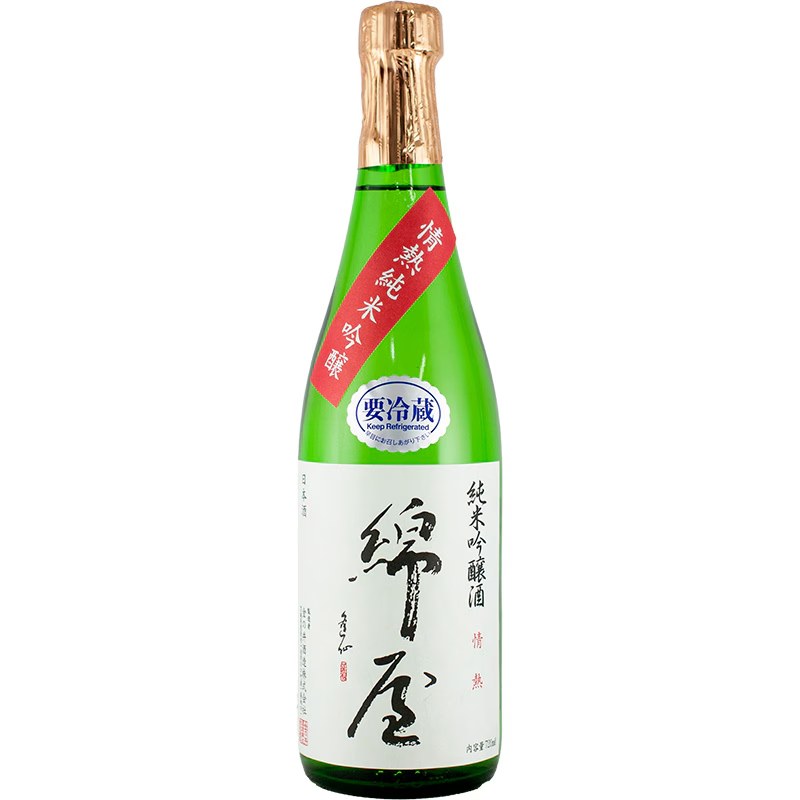
Although the nose is relatively restrained, the palate reveals concentrated rice-derived umami and a firm core. Dry and well structured without feeling heavy, with acidity providing definition toward the finish. A food-friendly sake distinguished by its clean, crisp finish.
投稿日: 2026年11月28日
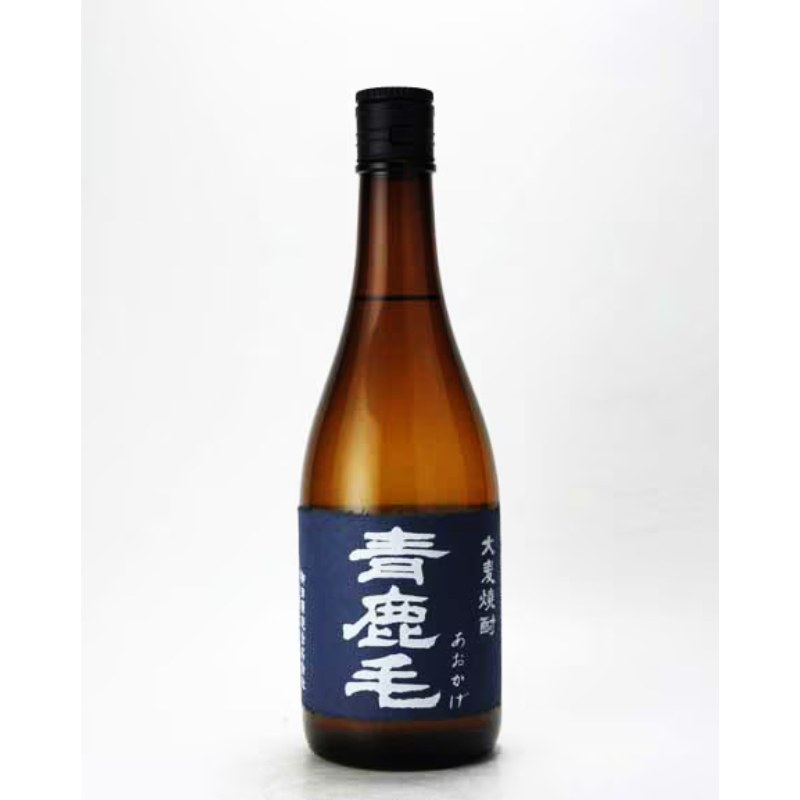
The palate is surprisingly soft and smooth, with gentle barley-derived sweetness. Pleasant bitterness and spicy nuances emerge toward the finish, bringing precision and definition.
投稿日: 2026年10月10日
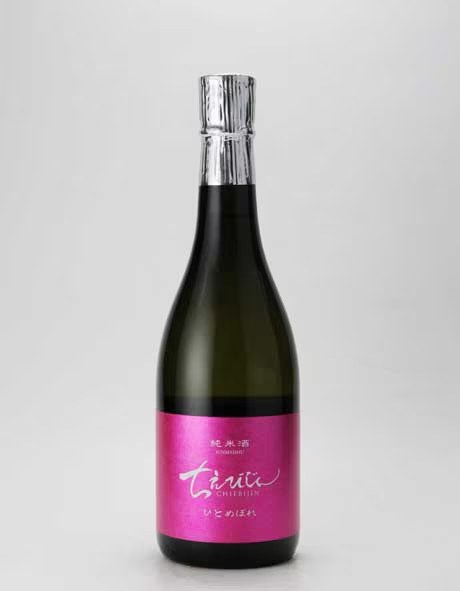
The palate opens with soft, transparent sweetness, then becomes noticeably more structured toward the finish, leaving a firm and powerful grip.
投稿日: 2026年10月10日
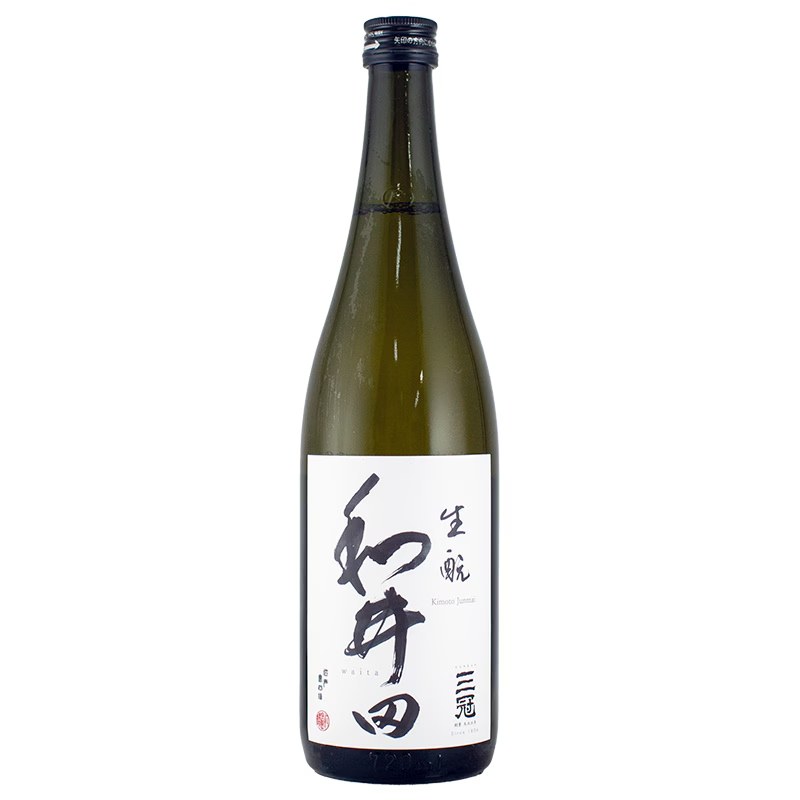
The palate is substantial and full-bodied, combining moderate richness with generous alcoholic weight. Spicy notes on the finish add complexity.
投稿日: 2026年10月10日
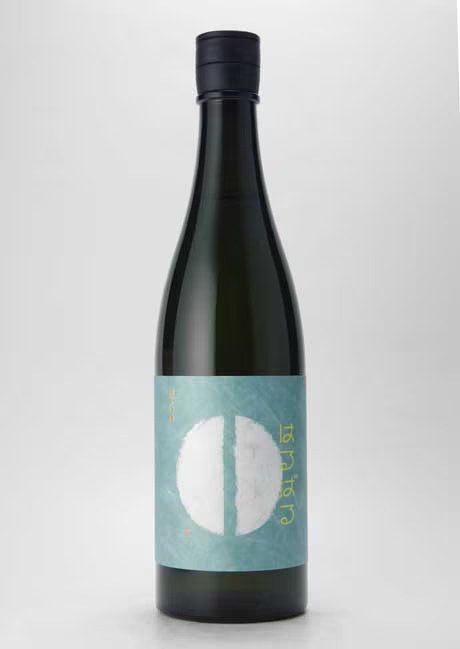
The palate is light, with a subtle fruity sweetness. As the temperature rises, a softer, gently nostalgic umami character begins to unfold.
投稿日: 2026年10月10日